🌟 Introduction
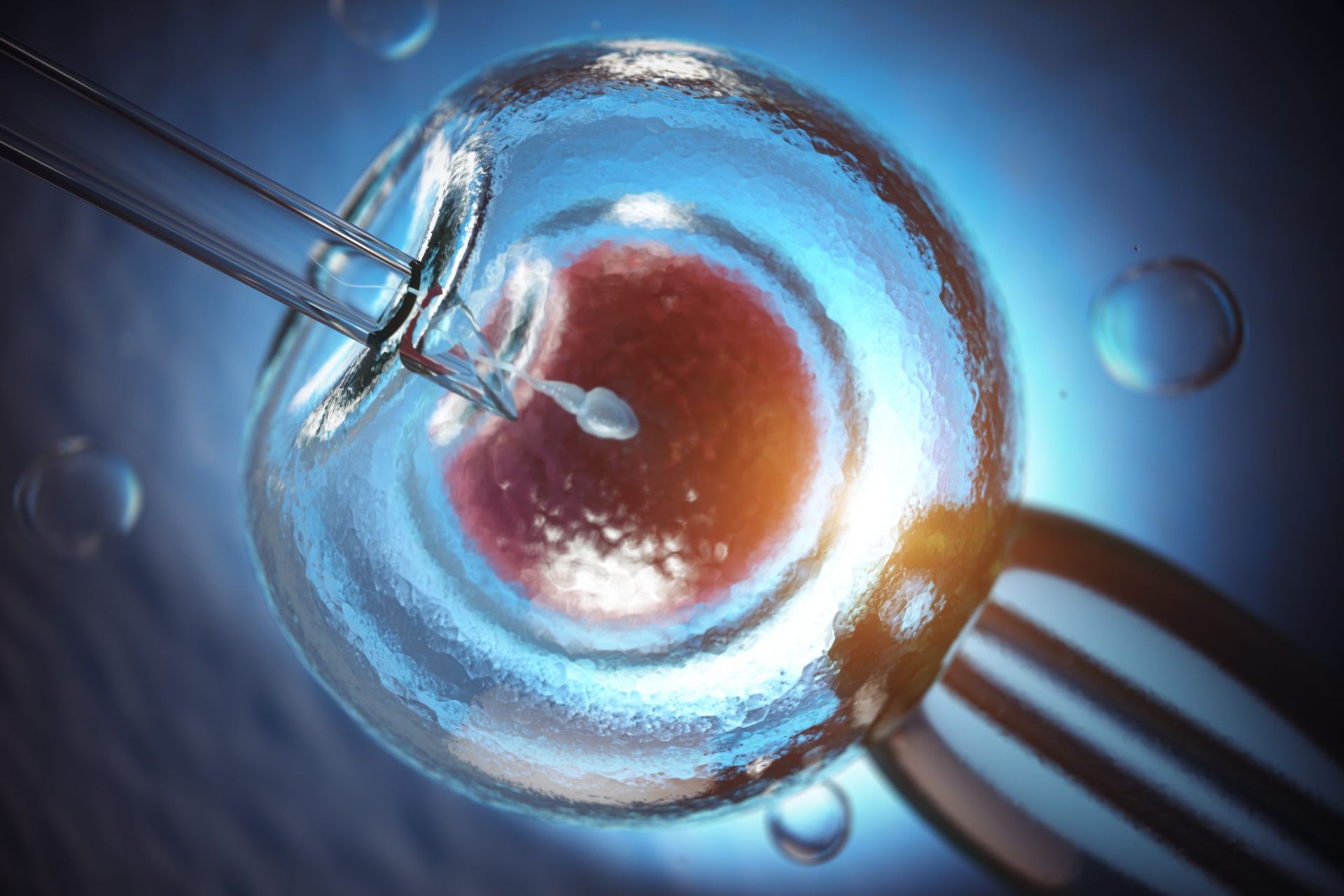
Intracytoplasmic Sperm Injection (ICSI) is a groundbreaking fertility treatment that has transformed the possibilities for couples facing severe male infertility and other reproductive challenges. As a specialized form of In Vitro Fertilization (IVF), ICSI involves injecting a single sperm directly into an egg, dramatically improving the chances of fertilization even in the most difficult cases. This comprehensive guide covers everything you need to know about ICSI, including its indications, step-by-step process, success factors, risks, and common questions.
🤔 What is ICSI?
ICSI (Intracytoplasmic Sperm Injection) is an advanced laboratory technique in which a single sperm cell is selected and injected directly into the cytoplasm of a mature egg using a microscopic needle. This procedure bypasses many of the obstacles that can prevent fertilization in traditional IVF and is especially useful for severe cases of male infertility.
🩺 Who Needs ICSI? | Indications
ICSI is recommended for cases such as:
🧑🦲 Severe male factor infertility
(very low sperm count, poor motility, or abnormal morphology)
🚫 Obstructive azoospermia
(no sperm in semen due to a blockage; sperm may be extracted surgically)
❌ Previous failed fertilization with standard IVF
🧬 Genetic screening needed
(when Preimplantation Genetic Testing, PGT, is required)
💉 Sperm retrieved surgically
(from epididymis or testis, e.g., TESE, PESA)
💔 Antisperm antibodies
(when sperm are attacked by the immune system)
🔬 Step-by-Step ICSI Process
1️⃣ Ovarian Stimulation
💉 Hormonal injections are used to stimulate the ovaries to produce multiple mature eggs. Monitoring is done via ultrasound and blood tests.
2️⃣ Egg Retrieval (Oocyte Pick-Up)
🩺 Eggs are collected from the ovaries under mild anesthesia using a fine needle guided by ultrasound.
3️⃣ Sperm Collection & Preparation
🧪 Sperm is collected either via ejaculation or surgically (e.g., TESE, PESA). The best sperm are selected under a microscope.
4️⃣ ICSI Procedure
🔬 Under high magnification, an embryologist uses a micromanipulator to pick up a single sperm and inject it directly into the center of each mature egg.
5️⃣ Fertilization & Embryo Culture
🌱 Eggs are monitored to check for fertilization and embryo development over the next 3-5 days in the laboratory.
6️⃣ Embryo Selection & Genetic Testing
🔍 The best embryos are chosen for transfer. Preimplantation genetic testing (PGT) can be performed if needed.
7️⃣ Embryo Transfer
🚼 Selected embryos are transferred into the uterus using a thin catheter. The procedure is painless and quick.
8️⃣ Luteal Phase Support
💊 Hormonal support, usually progesterone, is given to help the uterine lining support the embryo.
9️⃣ Pregnancy Test
🩸 A blood test is done about two weeks later to confirm if implantation and pregnancy have occurred.
🏆 Success Rates & Key Factors
The success of ICSI depends on:
👩🦳 Woman’s age: Younger women have higher success rates.
🥚 Egg and sperm quality: Critical for embryo health.
🧬 Cause of infertility: Some male factors respond better than others.
🧑🔬 Lab expertise: Skill of the embryologist and quality of the lab matter.
🏥 Clinic experience: Advanced technology improves outcomes.
Typical live birth rates per ICSI cycle:
Under 35 years: 40–50%
35–37 years: 30–40%
38–40 years: 20–30%
Over 40 years: 10–15%
⚠️ Risks and Considerations
Although ICSI has helped millions, some risks exist:
🦠 Ovarian Hyperstimulation Syndrome (OHSS): Rare but possible after egg stimulation.
👶 Multiple Pregnancy: Higher risk if multiple embryos are transferred.
🧬 Genetic Risks: Slightly increased risk of some genetic or developmental issues (related to underlying male infertility).
❌ Fertilization Failure: In rare cases, eggs may not fertilize even with ICSI.
💸 Cost: ICSI is more expensive than standard IVF.
😔 Emotional Stress: The process can be psychologically demanding.
🚀 Latest Advances in ICSI
🧬 Genetic Testing (PGT/PGS): Screens for inherited diseases and chromosomal issues.
❄️ Embryo & Egg Freezing: Improved freezing methods increase success for future cycles.
👁️🗨️ Advanced sperm selection techniques: (e.g., IMSI, PICSI) help choose the best sperm.
🤖 Time-Lapse Embryo Monitoring: Provides real-time data on embryo development.
❓ Frequently Asked Questions (FAQs)
Q1: Is ICSI painful?
Egg retrieval is done under sedation; most women feel only mild discomfort.
Q2: Does ICSI guarantee fertilization?
No technique guarantees fertilization, but ICSI greatly increases the chances when sperm issues are severe.
Q3: Is ICSI safe for the baby?
Most ICSI babies are healthy, but there may be a slightly higher risk of certain genetic issues—mainly linked to the father’s fertility problems.
Q4: How long does an ICSI cycle take?
A full ICSI cycle usually takes 4–6 weeks.
Q5: Can sperm be collected from men with no sperm in semen?
Yes, via surgical extraction (TESE, PESA) directly from the testicle or epididymis.
💡 Tips for ICSI Success
🥦 Eat a balanced diet for egg and sperm quality.
🚭 Quit smoking and limit alcohol to boost fertility.
😌 Manage stress with relaxation or counseling.
🏋️ Stay active, but avoid intense workouts during stimulation.
🕰️ Be patient and communicate with your care team.
📝 Conclusion
ICSI has changed the future for couples dealing with severe male infertility and other challenging fertility issues. With advanced lab technology and skilled teams, even the most severe cases can achieve a healthy pregnancy. If you are considering ICSI, consult a specialized fertility center to explore your options and get the best, personalized plan for your needs.
🌟 ICSI: Turning Hopes into Happy Families, One Microscopic Miracle at a Time! 🌟
Comments (0)
Categories
Recent posts


How To Teach Your Kid Easily
1 Jul 2021.png)
✨ Egyptian Society of Endoscopic ...
29 May 2025
🌷 Urogynaecology: Understanding ...
24 May 2025